How to Choose the Right Generator Size for Your Home
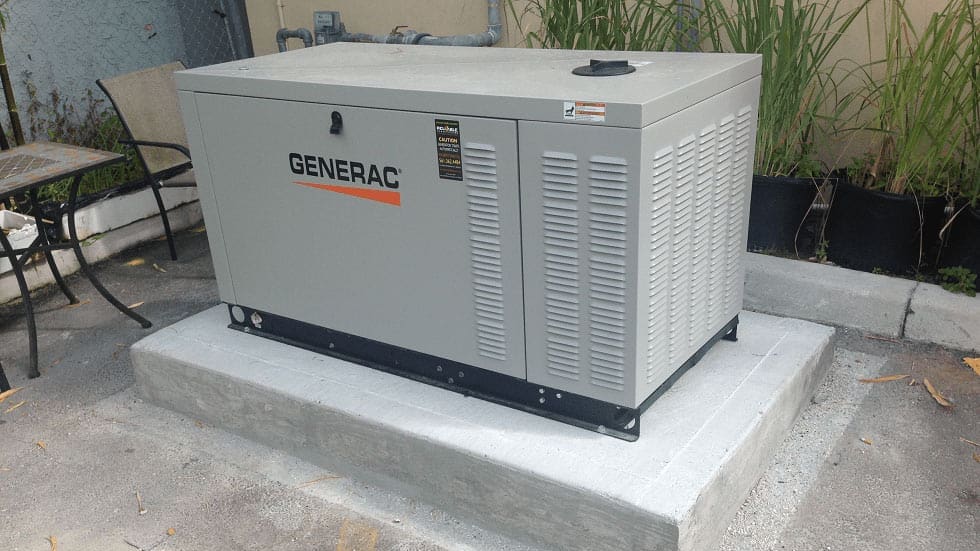
When a Florida storm knocks out power, the right generator can keep your home safe and comfortable. In South Florida, where outages are common during hurricane season, choosing the correct generator size matters more than most people realize. A unit that is too small will struggle to run essential systems. A unit that is too large costs more to buy, install, and refuel than you really need.
My Reliable Power helps homeowners across Broward, Palm Beach, and Martin Counties find the right balance. We install and maintain generators built to handle Florida’s weather, and we make sure each system fits your home’s needs.
Why Size Matters
A generator’s size determines how much power it can deliver. If the system is undersized, it will overload trying to run large appliances such as your air conditioner. That extra strain shortens its lifespan and risks failure. If it is oversized, you spend more up front and burn fuel inefficiently.
In South Florida, where hurricanes and storms regularly interrupt power, your generator is your key to peace of mind. It keeps the lights on, protects food in your refrigerator, and powers the air conditioning that keeps your family safe in the heat.
Key Factors to Consider
Before choosing a generator, think about what you want to power during an outage.
Essential loads or full-home coverage
Some homeowners only need to power a few essentials such as the refrigerator, air conditioning, and key lights. Others prefer full-home coverage that includes kitchen appliances, laundry, and electronics.
Appliance wattage
Every appliance has a starting and running wattage. Air conditioners, refrigerators, and pumps require more electricity when they start than when they run. A proper calculation must include both.
Voltage and phase type
Most Florida homes use single-phase power. Larger homes or properties with extensive systems may require split-phase or three-phase power. Your electrician can check this for you.
Fuel type and runtime
Natural gas, propane, and diesel each have pros and cons. Natural gas is reliable if your area has utility service. Propane is good for rural properties with tank storage. Diesel offers longer runtime but requires safe storage.
Building codes and permits
Each Florida county sets rules for generator placement, noise limits, and hurricane safety. A licensed installer makes sure everything meets code before inspection.
Room for future growth
If you plan to add new appliances, remodel, or install an EV charger, allow a small margin of extra capacity so your generator can handle the added load later.
How to Calculate the Right Size
You can get a rough idea of the generator size you need with a few steps.
- List the appliances and systems you want to run during an outage.
- Find the wattage on each item’s nameplate or in the owner’s manual.
- Add the total running watts.
- Add additional power for starting loads on big appliances like air conditioning or refrigerators.
- Add a safety margin of about 10 to 20 percent for future use.
- Choose a generator with a capacity equal to or slightly above your total.
If you are not comfortable doing these calculations yourself, a licensed electrician or generator installer can perform an accurate load assessment.
Typical Generator Sizes for Florida Homes
Here are some examples of what different generator sizes can handle in a typical South Florida home.
7 to 10 kilowatts: Small systems that power essential loads such as a refrigerator, lights, and one small air conditioner.
14 to 20 kilowatts: Suitable for most medium-sized homes, running the HVAC system, refrigerator, and basic lighting and appliances.
22 to 30 kilowatts: Designed for whole-home power, including multiple air conditioners, laundry, pool equipment, and major appliances.
Because air conditioning is so critical in Florida’s heat, homeowners here often need a larger generator than someone in a cooler climate.
Oversized or Undersized: What Happens
Undersized systems
A generator that is too small cannot handle peak demand. You may see flickering lights, tripped breakers, or equipment damage from overloading.
Oversized systems
A generator that is too large costs more to install and burns more fuel than necessary. It can also wear down faster when it never operates near full load.
Finding the right balance
A properly sized generator meets your family’s needs without wasting energy or straining the system. Professional sizing ensures you get dependable power at the best value.
Why Homeowners Choose My Reliable Power
My Reliable Power provides full generator services for South Florida homeowners. We handle every step, from load assessment and sizing to installation and maintenance. Our team is licensed, insured, and familiar with hurricane-zone permitting across Broward, Palm Beach, and Martin Counties.
What we offer:
- Accurate sizing and professional installation
- Natural gas, propane, and diesel generator options
- Code-compliant electrical and fuel connections
- Annual maintenance and system monitoring
- Fast, local support when storms hit
Our technicians know the demands Florida weather puts on generators. We help homeowners choose systems that are durable, safe, and efficient throughout every season.
FAQs
Can I size my generator myself?
You can estimate your needs, but a professional load assessment gives a safer and more reliable result.
Will my generator power my air conditioner?
Yes, as long as it is sized to handle the system’s startup load. Air conditioners use much more energy when they first turn on.
Should I size for essentials or my whole home?
That depends on your comfort level and budget. In Florida’s climate, most homeowners choose whole-home coverage so their HVAC can run through extended outages.