Generators are incredible sources of backup power for homeowners, especially in outage-prone areas. They provide reliable backup power when the utility grid is down. However, homeowners with generators must complete routine maintenance to ensure safety and reliable performance during power outages.
Annual generator maintenance is critical to ensure your generator works when it’s needed. Skipped maintenance often leads to hard starts, shutdowns, fuel issues, and equipment failure. Keep your unit in check by following this generator maintenance checklist.
Step 1: Conduct a Full Visual Inspection
To start, you will want to conduct a visual inspection of your unit, looking for loose wiring, corrosion, leaks, and rodent or insect activity. If you notice corrosion or fuel leaks, they can predict upcoming failures. Visual issues are signals that repairs may need to be made to prevent further damage.
Step 2: Change the Oil and Oil Filter
Next, you’ll want to change the oil according to the manufacturer’s guidelines. A generator’s oil should typically be changed annually or after every 100-200 hours of use. This is important because oil breakdown can occur due to heat, pressure, and contaminants.
Use manufacturer-approved oil for the highest efficiency and to maintain your warranty’s validity. Additionally, you should change the oil filter per your generator manual.
Signs the generator needs an oil change
There are a few signs to watch out that signify you need to change the oil. Dirty oil increases strain and reduces generator performance, so it’s important to keep the oil fresh. These signs include:
- Dark or sludgy oil: Fresh oil is typically smooth and amber in color. If the oil looks dark or sludgy, it indicates that contaminants or debris have been built up.
- Burnt smell: Oil that smells burnt or smoky has been exposed to heat for too long. This means the oil has broken down and cannot protect the engine, putting internal components at risk.
- Metallic particles: Shiny flecks or metallic particles in oil are a major red flag. This can indicate internal engine wear. An immediate oil change and inspection is needed.
Step 3: Replace the Air Filter
Next, you should replace the air filter on your generator. Dirty or clogged air filters restrict airflow and put your generator at risk of overheating. Clogged filters also impact overall efficiency. Over time, this added strain can reduce performance and shorten the lifespan of your generator.
Replace the air filter annually, or sooner if you operate your generator in a dusty environment, to ensure proper airflow.
Step 4: Inspect and Replace Spark Plugs
Spark plugs should also be inspected and replaced annually. Spark plugs deliver the spark needed to ignite the air-fuel mixture in your generator’s engine. Worn spark plugs can cause inconsistent ignition, leading to misfires, rough operation, and reduced power output.
Faulty spark plugs also can cause hard starting, especially in cold weather or after long periods of inactivity. Carbon buildup on spark plugs can prevent the spark from firing properly, impacting engine efficiency.
Inspect spark plugs at least annually and replace them as recommended by the manufacturer for consistent performance.
Step 5: Test the Battery and Charging System
You’ll also want to test your generator’s battery. Depleted batteries are the number one cause of generator failure. A weak or dead battery can prevent your generator from starting when you need it most.
Perform a voltage test to check the battery’s resting charge. A healthy battery should read around 12.6 volts when fully charged. Lower readings indicate a weak or failing battery. Next, conduct a load test to see how the battery performs under demand. If the voltage drops significantly, the battery may no longer be capable of starting the generator.
Also, inspect the charging system for signs of damage. Assess cables, terminals, and the battery charger to catch issues early.
Step 6: Check Fuel Lines, Connections, and Fuel Quality
Start by checking fuel lines and fittings for cracks, leaks, corrosion, or loose connections. Damaged fuel lines can lead to fuel loss and poor performance.
Fuel concerns vary by the type of fuel used. For example, gas generators are vulnerable to stale fuel, as gasoline can degrade in as little as a month. Propane generators typically don’t see as many issues with fuel degradation, but hoses, regulators, and connections should be inspected. Diesel generators can suffer water contamination and microbial growth, clogging filters and damaging injectors.
Water contamination can lead to corrosion, rough operation, or complete generator failure. Replace contaminated fuel immediately.
Step 7: Run the Generator Under Load
Next, you should run the generator under load to confirm it can handle high power demands. Just starting your generator isn’t enough. You should run it under load to see how it performs.
Begin with a warm-up cycle, allowing the generator to run load-free for several minutes. This circulates oil, stabilizes engine temperature, and prevents unnecessary strain.
Also, perform a full load test by running the generator at or near its rated capacity. Load tests help confirm voltage stability, frequency control, and system performance. It also helps uncover issues, like weak batteries or overheating.
Step 8: Verify Transfer Switch Operation
Next, conduct a transfer switch test to verify that power safely and smoothly transfers from the utility grid to generator power and back. The transfer switch is critical for reliable operation. Improper switching leads to system failure or unsafe backfeeding into the utility grid.
Step 9: Update Firmware or Monitoring System
Check for firmware updates for your generator monitoring system. Most modern generators use smart monitoring apps that connect to the unit via Wi-Fi or cellular networks. These systems give you insights into run time, system status, and maintenance needs.
Keep firmware up to date to ensure that apps function correctly. Modern systems can send remote alerts for low battery voltage, fault codes, or maintenance reminders.
Why Maintenance Matters for Long-Term Reliability
Scheduling a generator tune-up at least once a year helps extend the lifespan of your unit, and results in fewer repairs. Following this annual generator maintenance checklist also helps ensure safer operation and cleaner performance.
Schedule Your Annual Generator Maintenance
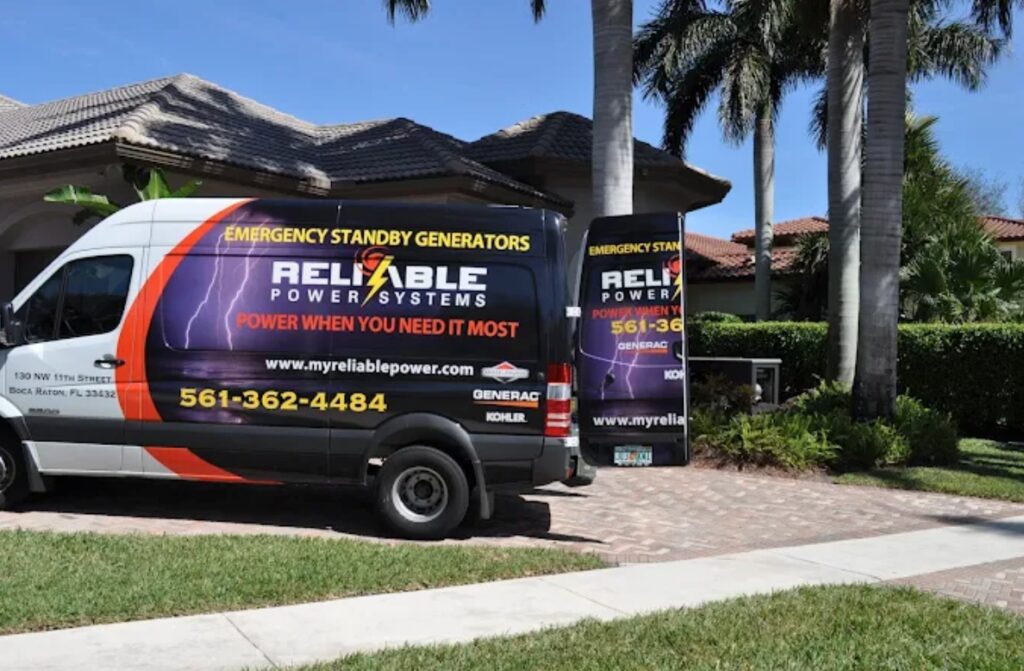
MyReliablePower offers generator installation and maintenance services to homeowners in South Florida. Our skilled and licensed technicians understand the ins and outs of generator maintenance. They will complete a thorough inspection and tune-up on your unit to promote reliable operation.
Schedule annual generator maintenance today with MyReliablePower by calling 561-408-5147.