


Blog
Choosing a Generator 101: A Florida Homeowner's Guide

As a Florida homeowner, you probably already understand the importance of having a generator for storm season. Tropical storms and hurricanes can cause extended outages that put your family at risk when without power. This generator buying guide covers how to choose between standby and portable, what size to get, whether natural gas or propane is better, top brands, and how to choose a trusted installer.
Learning about safety, usage, power requirements, installation options, and fuel sources helps you make an informed decision. After reading this guide, you’ll understand how to choose a generator for your Florida home. Read on for applicable guidance on timing, budget, and more.
The professionals at Reliable Power Systems help local homeowners decide which generator to get every day. We’re experts in sizing, installation, maintenance, and repairs.
Schedule Online(561) 408-5147Decision 1: Standby or Portable?
Comparing generator types is an important first step for homeowners. The main trade-off between getting a standby or portable generator is cost. Standby generators are permanently installed outside your home and generally run on natural gas or liquid propane. These systems kick on within seconds of a power outage via an automatic transfer switch. This means that even if you’re not home, your generator will keep the lights, refrigeration, and HVAC system running for you.
Portable generators are much smaller and more affordable. They require manual setup and refueling. Homeowners with portable generators must run extension cords to individual appliances during the storm.
Whole-home standby generators are the recommended option for most Florida homeowners. They offer reliable performance and convenience with no refueling or manual operation. If your home relies on power for critical medical equipment, a well pump, or a sump pump, a standby generator simplifies power outages.
Decision 2: What Size?
Measured in kilowatts (kW), generator size is highly dependent on what appliances and systems you want to power during outages. Most whole-home generator systems for homes in Florida range from 16–22 kW. Larger homes, or homes with heavier electrical loads, may need a 30kW+ generator to supply ample power.
The correct number depends on your home’s square footage and the number of major-power-draw appliances. Choosing the right generator size is essential when buying a generator for your home. An undersized unit will likely result in automatic shutoffs or tripped breakers when systems all kick on at once. An oversized generator wastes money on fuel and maintenance.
Knowing what size generator can run an AC vs. your whole house is an important distinction. To get the right size of generator, work with a technician who can perform load calculations and evaluate your electrical panel.
Decision 3: Natural Gas or Propane?
The choice between a natural gas or liquid propane generator typically comes down to what you have available at home. Both fuel types work well for standby generators. If you already have a natural gas line installed on your property, that’s typically simpler and more cost-effective. By using the municipal gas line, you essentially have access to unlimited fuel with no tank to monitor and refill.
If you don’t have natural gas service at your home, an above-ground propane tank is a great alternative. The tank is sized to your generator's runtime needs. Propane is generally a bit more expensive than natural gas, but it give you full independence if utility infrastructure fails.
Decision 4: Which Brand?
There are plenty of different brand names you may have heard about, including Generac, Kohler, and Briggs & Stratton. These three are the most established names in residential standby generators, and offer good track records in Florida’s coastal climate. The primary differences between each brand generally come down to warranty length and coverage, parts availability, and noise level.
Reliable Power Systems’ technicians are well-versed in maintaining and repairing equipment from each of these brands. Truly, the decision is yours.
Decision 5: Who Installs It?
Generator installation quality can impact safety, performance, and whether or not your generator actually works when you need it. That’s why it’s crucial to look for a licensed electrician with experience in installing standby generators, not just general electrical work. Improper installation can lead to issues down the road and shorten the equipment’s lifespan.
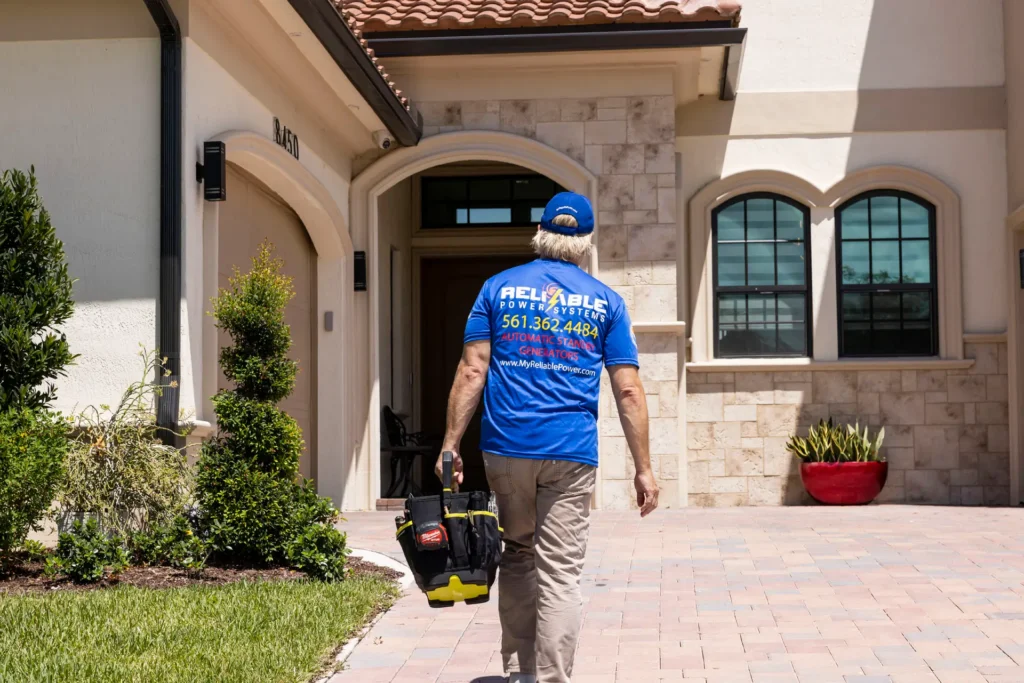
Working with Reliable Power Systems ensures that you have experts handling the process. Our licensed electricians and generator technicians have years of hands-on experience installing, maintaining, and repairing residential generators. We offer turnkey generator installation services throughout South Florida.
The Florida Factor
Living in Florida means it’s critical to be prepared for hurricane season. Florida's hurricane season runs June through November, with a peak range of mid-August through late-October. Installation demand spikes when an identified storm enters the weather forecast. It’s best to schedule whole-home generator installation before storm season because of permitting, equipment delivery, and technician scheduling delays. Installing during the spring helps ensure a normal timeline. Putting off generator installation until mid-storm season can make getting the protection you need tricky.
Florida’s coastal salt air accelerates corrosion on unprotected metal components. Generator enclosures and mountain hardware materials matter more along the coast than for inland homes. Search for a generator with corrosion-resistant housing and schedule routine corrosion checks if you live by the coast.
Schedule a free consultation and estimate with Reliable Power Systems today. Call us at (561) 408-5147 or contact us online.
Schedule Online(561) 408-5147Frequently Asked Questions
The right generator for your Florida home will depend on square footage, the appliances and systems you want to run, whether you have natural gas or propane, and your budget. We can help you narrow down your options and size a standby generator for your Florida home.
Costs vary significantly by generato size, fuel type, and installation complexity. You should budget for both the unit itself and professional installation, including permitting and any gas line work. Contact Reliable Power Systems for a free estimate. We also offer financing options through Upgrade and Synchrony Bank. Use our free generator cost calculator for a loose estimate!
Yes. You can call us at (561) 408-5147 to schedule a free generator consultation to discuss your needs.